The NextTherapist Hour
Hosted by The Eating Disorder Consultants
The Intersection of Religion and Mental Health: Spiritual Assessment and What Shapes Religious Coping
Presented by
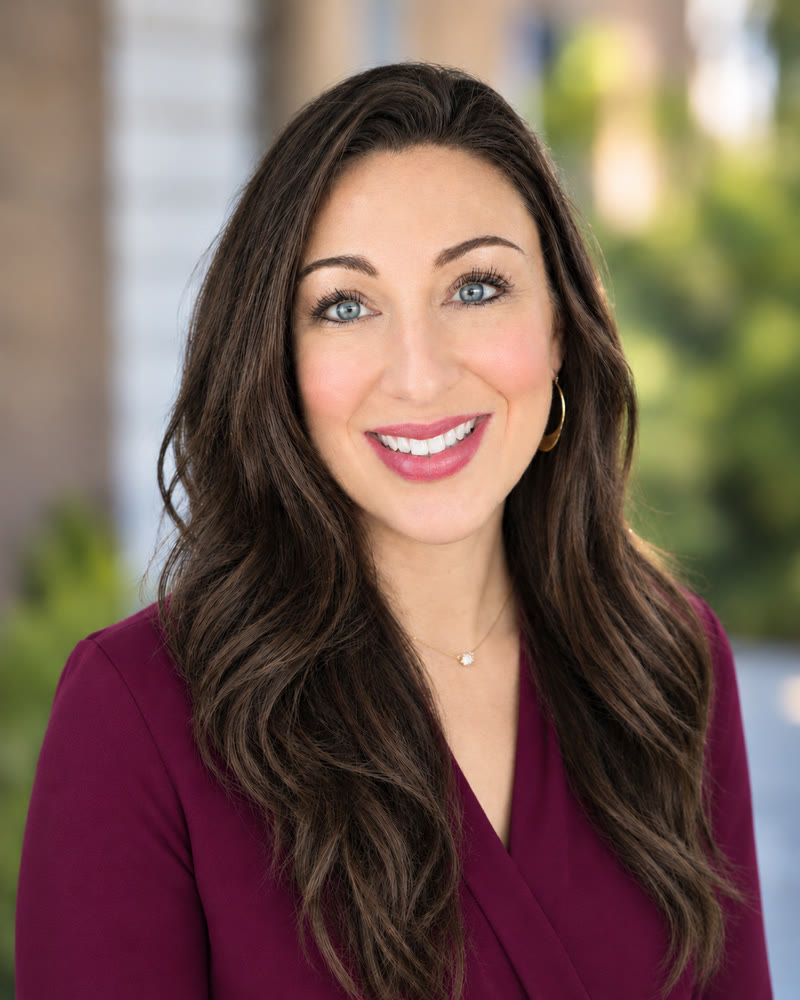
Janeen Martin, LCSW
Date
Friday, December 4, 2026
Time
9:00 AM Mountain (MT) 8:00 AM Pacific (PT) 10:00 AM Central (CT) 11:00 AM Eastern (ET) 9:00 AM MST
Format
Live Online Webinar
CE Credit
1.0 NBCC CE Hour
About this training
This session helps clinicians include spiritual assessment within the bio-psycho-social-spiritual model and use practical tools with clients of any faith background. Participants will differentiate among ways of being religious and how each relates to mental health outcomes, identify factors associated with supportive versus distressing religious coping (and the limits of the evidence), and examine how clinician attitudes and biases — religious or secular — can affect the therapeutic relationship. The hour emphasizes culturally humble, client-centered strategies clinicians can use across diverse faith backgrounds.
What you’ll learn
- Why spiritual assessment belongs in the bio-psycho-social-spiritual model — and tools that work across faith backgrounds
- How different ways of being religious relate to mental health outcomes
- What distinguishes supportive from distressing religious coping, and where the evidence ends
- How clinician attitudes and biases (religious or secular) shape the therapeutic relationship — and one culturally humble response
Learning objectives
By the end of this session, participants will be able to:
- 1Explain the evidence for including spiritual assessment within the bio-psycho-social-spiritual model, and identify at least three assessment tools for use with clients of any faith background.
- 2Differentiate among ways of being religious and describe how each is associated with mental health outcomes.
- 3Identify factors associated with supportive versus distressing religious coping, and describe the limits of the evidence.
- 4Recognize how clinician attitudes and biases, whether religious or secular, can affect the therapeutic relationship and name at least one strategy for culturally humble, client-centered care.
Who this is for
Licensed therapists, counselors, and social workers who want practical tools for spiritual assessment and religious coping across diverse faith backgrounds.
Enable JavaScript to check registration for this session. For questions, email Info@theeatingdisorderconsultants.com.
Your presenter
Janeen Martin, LCSW
Janeen Martin is a Licensed Clinical Social Worker with over 15 years of clinical experience in inpatient and outpatient settings, working with individuals, couples, and families. She owns a private practice specializing in marriage therapy and religiously integrated therapy. Janeen holds a Master of Liberal Arts in Religious Studies from Harvard Extension School, where her graduate work focused on the intersection of religion and mental health. Her studies explored meditation and mindfulness practices, contemporary spiritualities, religious coping, and concepts of enlightenment across traditions, giving her a broad perspective on how faith and spirituality shape well-being. Janeen is an adjunct instructor of both Social Work and Religion and regularly presents on theistic therapy and healthy religious coping at universities, mental health workshops, and on podcasts. She is passionate about helping clinicians bring spiritual and religious awareness into their work across diverse faith backgrounds.